Portuguese Food: 21 Traditional Dishes of Portugal
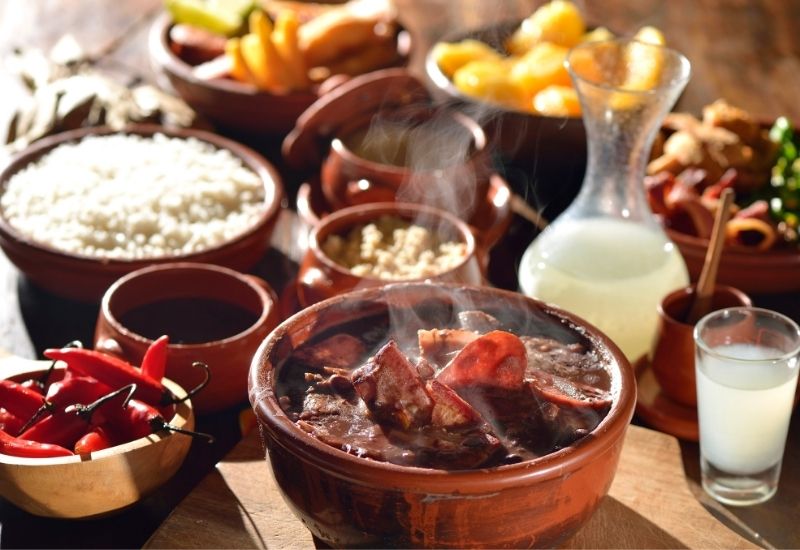
Portugal is a country on the southwestern edge of Europe, bordering Spain.
Portugal has a history that traces back to 1143; it became one of the earliest modern European nations, establishing itself as a major global maritime power.
Portuguese cuisine is famous around the world for its freshly baked bread, red wine, chargrilled fish and cheeses.
Its cuisine is deeply influenced by its Atlantic location and history as a seafaring nation, therefore fish is a very common ingredient in Portuguese dishes.
There are also a lot of similarities in cuisine with neighbors Spain and other Portuguese speaking countries such as Brazil.
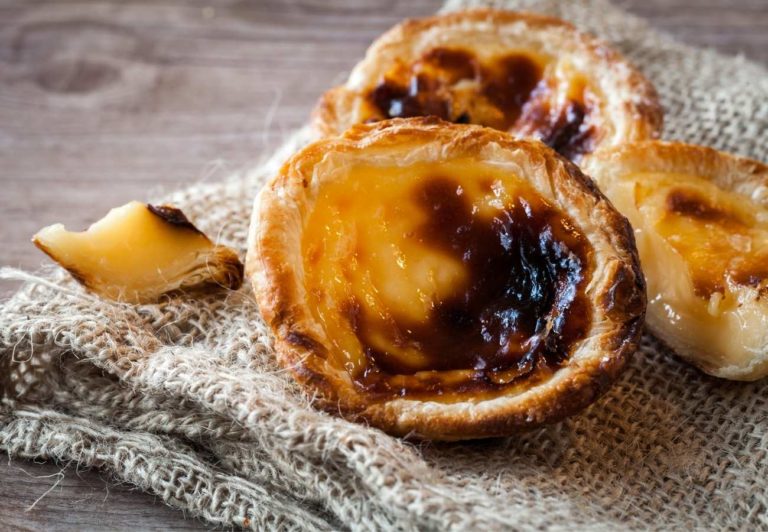
Pastel De Nata
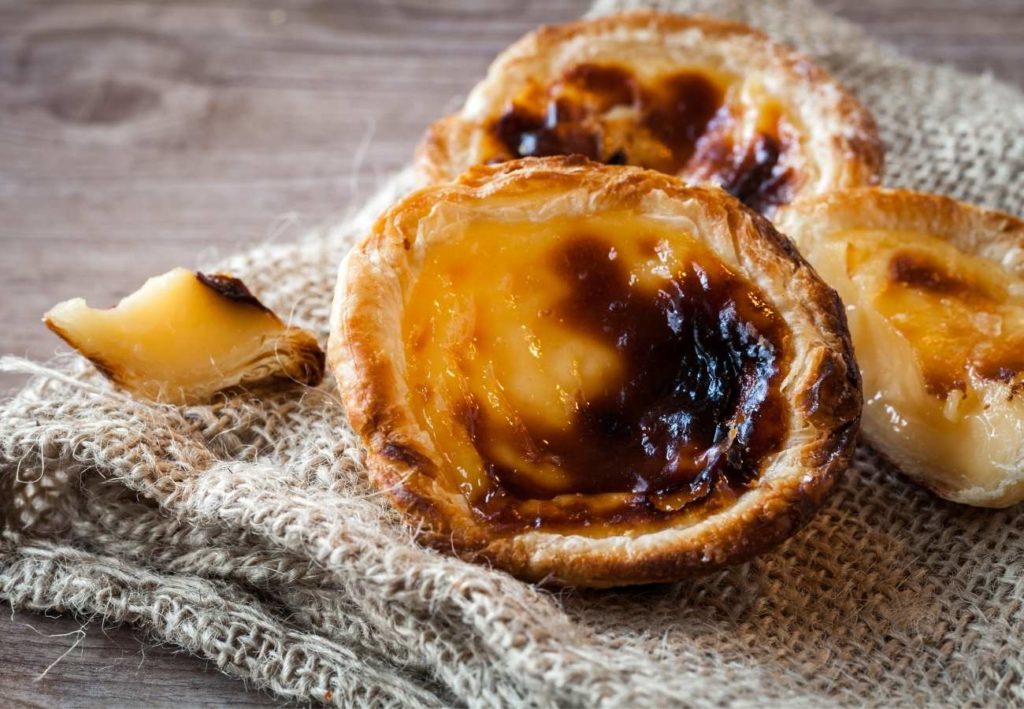
Pastel de Nata is a type of tart that is filled with a sweet egg custard then baked. The custard can be flavored with lemon zest or vanilla extract. After baking the tart is sometimes dusted with cinnamon powder.
The origin of this recipe can be linked back to 18th century by Catholic monks in Lisbon.
Caldo Verde
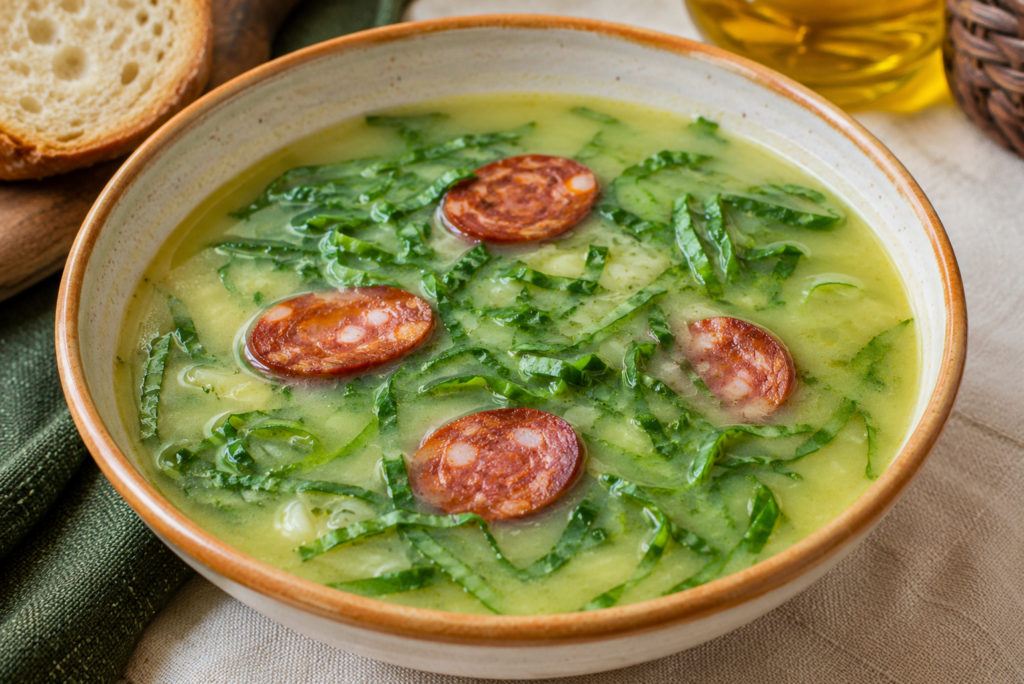
Caldo Verde is one of Portugal’s most iconic soups. Originating in the Minho region, it is made from a creamy potato base with finely shredded collard greens (traditionally couve galega) and slices of smoky chouriço sausage.
It’s a simple but comforting dish that is commonly enjoyed as a starter or light meal throughout Portugal.
Bacalhau à Brás
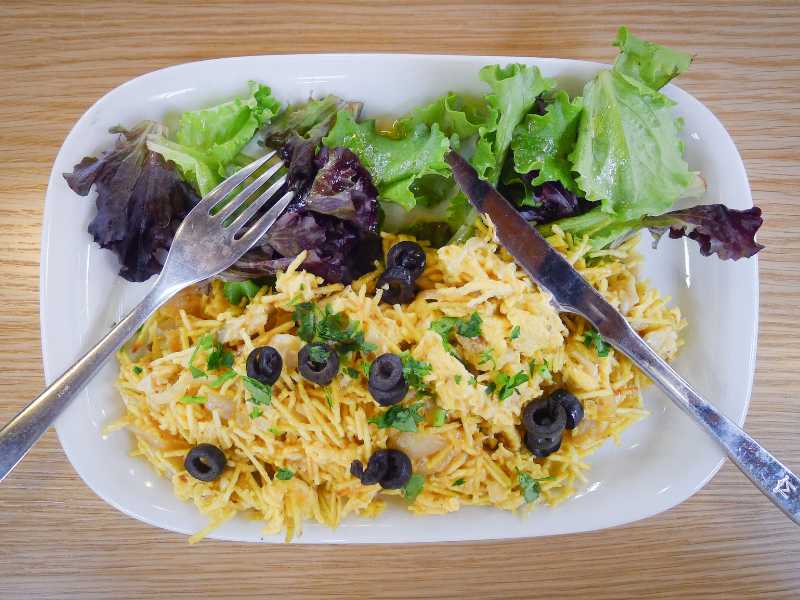
Bacalhau à Brás is a dish consisting of salted cod, straw potatoes and eggs that are seasoned and stir-fried together to create a creamy meal. This dish is often garnished with olives and parsley for that signature Mediterranean flair.
Arroz De Pato
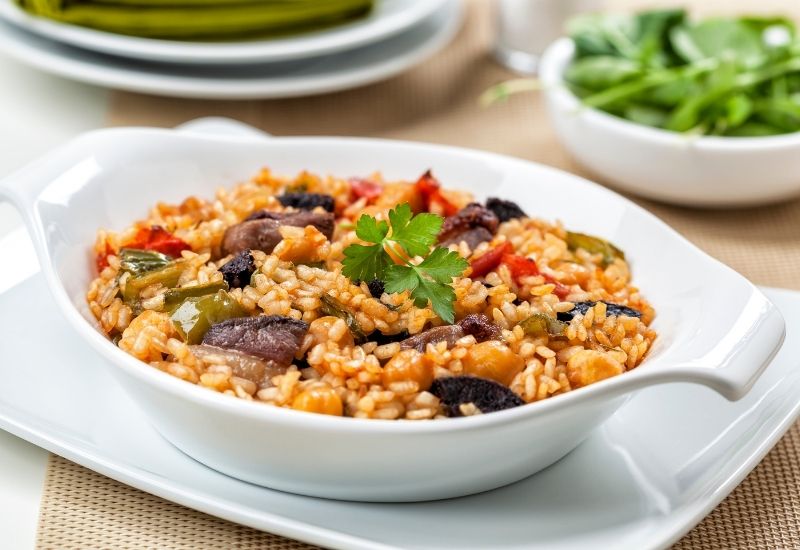
Arroz de pato is a dish made with rice, duck and aromatic herbs like garlic and bay leaves.
Made on special occasions, the traditional recipe also includes smoked pork. It is then baked and topped with orange slices. Although making this dish is time consuming, the final product is considered worth the wait.
Bifanas
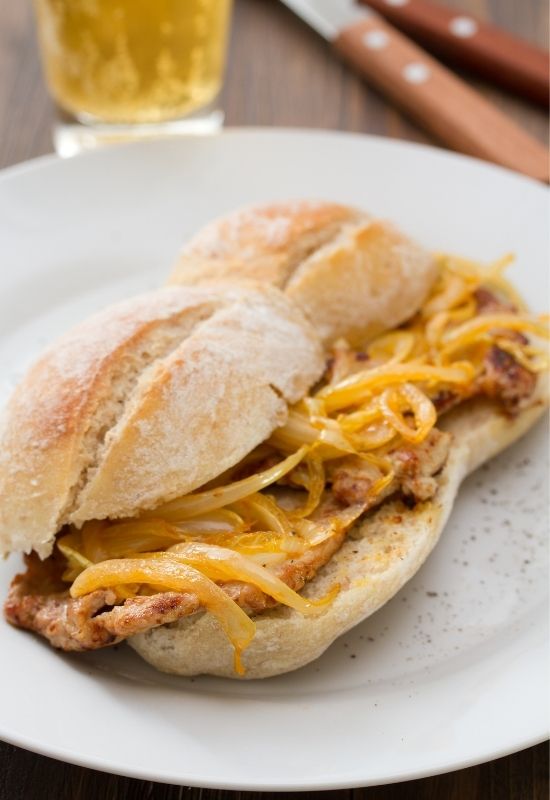
Bifanas are traditional Portuguese sandwiches made with pork slices that are poached in a sauce of paprika and white wine. Usually served with Piri Piri and mustard sauce, they are one of the most famous snacks of Portugal.
Due to its popularity even McDonald’s created its own version, the McBifana. This sandwich is often accompanied by a cold beer.
Bifanas are served as a snack during the football season in Portugal.
Francesinha
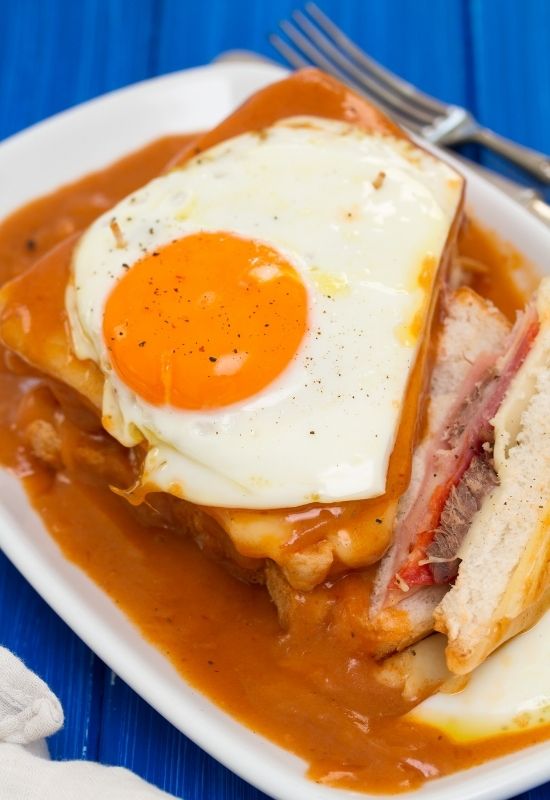
Francesinha is Porto’s famous indulgent sandwich, traditionally made with layers of bread filled with various meats such as steak, ham and fresh sausage before being covered with melted cheese.
The sandwich is then smothered in a rich, spicy beer-based sauce and is often served with fries for dipping into the sauce.
Grilled Sardines
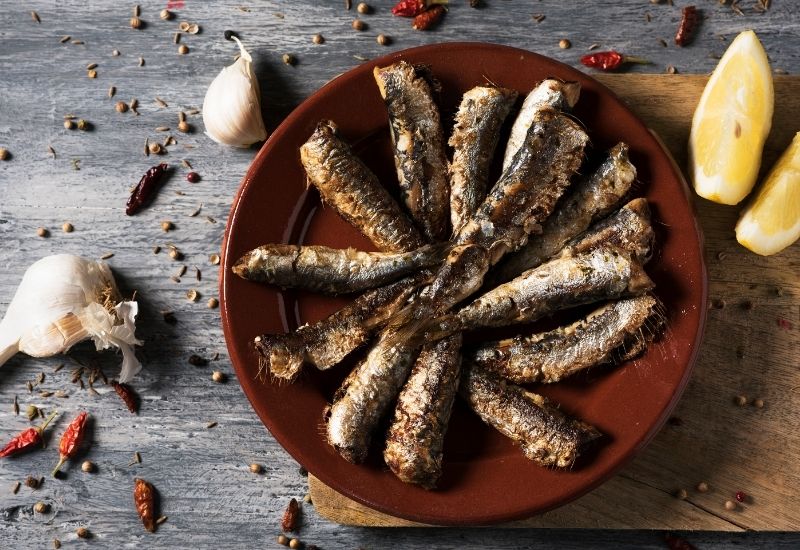
Grilled sardines are a summertime delicacy in Portugal.
In June a ceremony is held every year dedicated to Sardines; on the Day of Saint Anthony, June 12th and 13th, the smoky aroma of grilled sardines starts wafting through the air.
The peak season of Sardines is June and August. Each year almost 12 pounds of Sardines are consumed per person in Portugal.
Carne De Porco à Alentejana
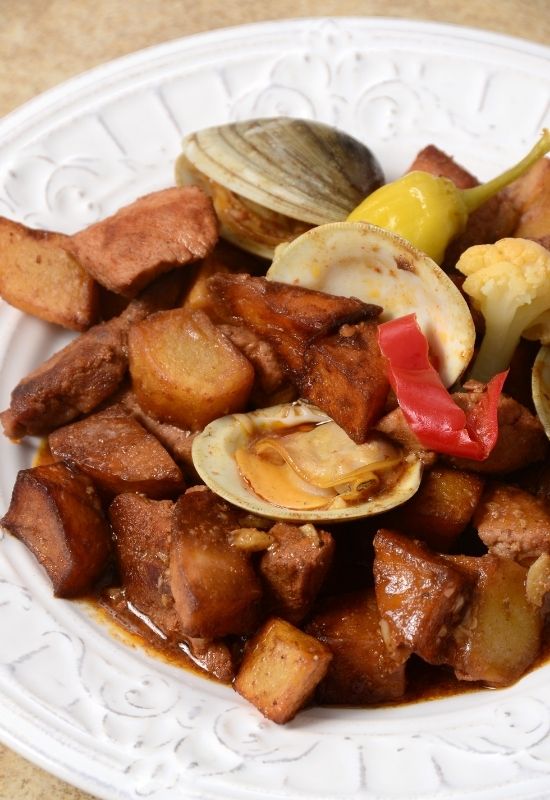
Carne De Porco à Alentejana is a combination of pork, clams and potatoes. White vinegar, bay leaves, olive oil and garlic are also added in it to give it its characteristic flavor and aroma.
Polvo à Lagareiro
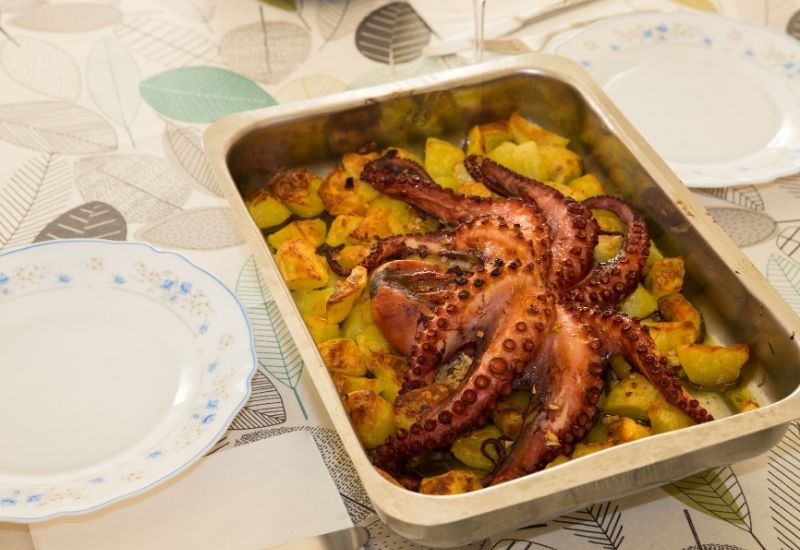
Polvo à Lagareiro is one of Portugal’s best-known octopus dishes. The octopus is roasted until tender before being served with potatoes, generous amounts of olive oil and garlic, creating a simple but flavourful meal that showcases Portugal’s love of seafood.
Cozido à Portuguesa
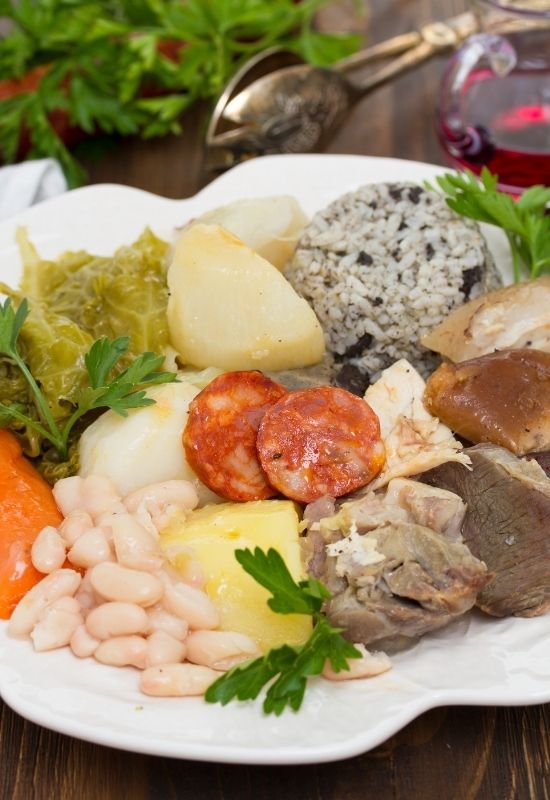
Cozido à Portuguesa is consists of ingredients like boiled potatoes, carrots, cabbages, meat, pig’s feet and ears and sausages.
This dish is specially loved for its delicious combination of pork with vegetables.
Caracois (Snails)
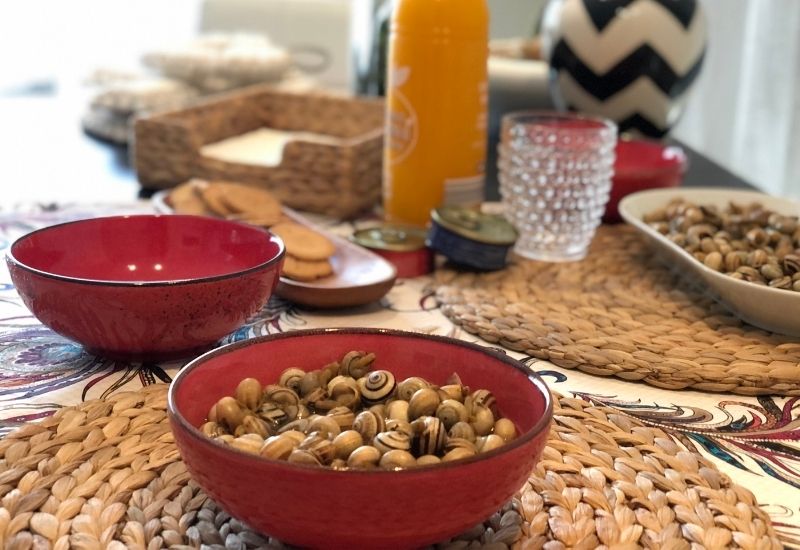
Caracois is a dish prepared using snails which are seasoned with garlic, onions and olive oil.
Due to extremely hot weather and humidity in summers, snail growth is promoted.
Piri Piri sauce and oregano are also added in a large amount to give them a characteristic flavor. Usually caracois is eaten as a late afternoon snack or as an appetizer.
Feijoada
Feijoada is a bean stew is prepared as a concoction of beans, pork and beef, served with white rice or bread. It takes at least 4 hours to prepare.
This dish derives its name from a Portuguese word Feijao which means beans.
Usually served during Portugal’s mild and rainy winters, it also comprises sausages, vegetables, cloves, paprika, bay leaves and garlic.
There is also a famous Brazilian version of this dish, but the dish originated in Portugal.
Tripas A moda Do Porto
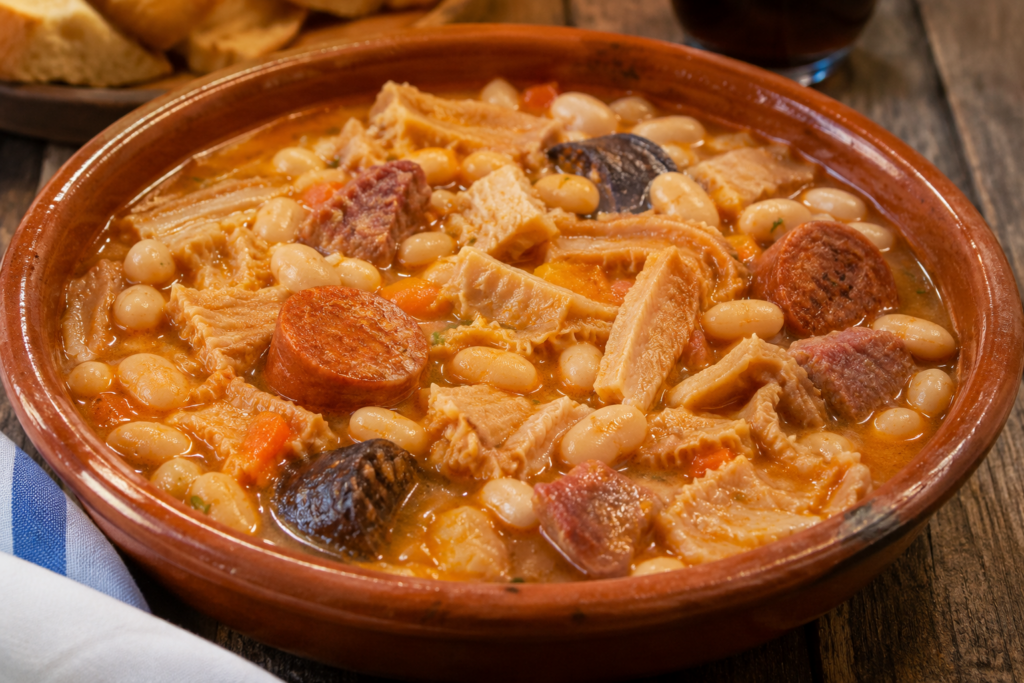
Possibly the strangest foods on this list, Tripas à Moda do Porto is one of Porto’s oldest and most traditional dishes. It is a hearty stew made with white beans, various cuts of meat and tripe (cow stomach), slowly cooked together to create a rich, comforting meal.
Although its main ingredient can divide opinion, it remains an important part of the city’s culinary heritage.
Espetada (Beef Skewers)
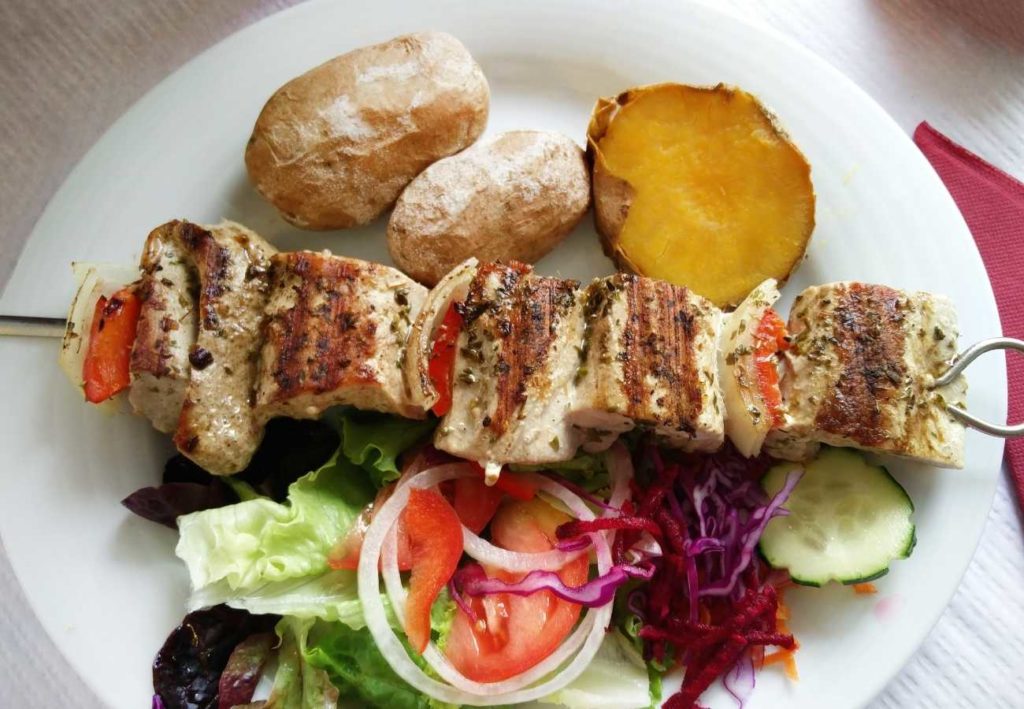
Espetada is a dish primarily consisting of large cubes of beef which are marinated in salt and garlic, skewered and barbecued.
Espetada is a popular delicacy, particularly on the island of Madeira, where it is typically served as a main dish during the summer months.
Broa
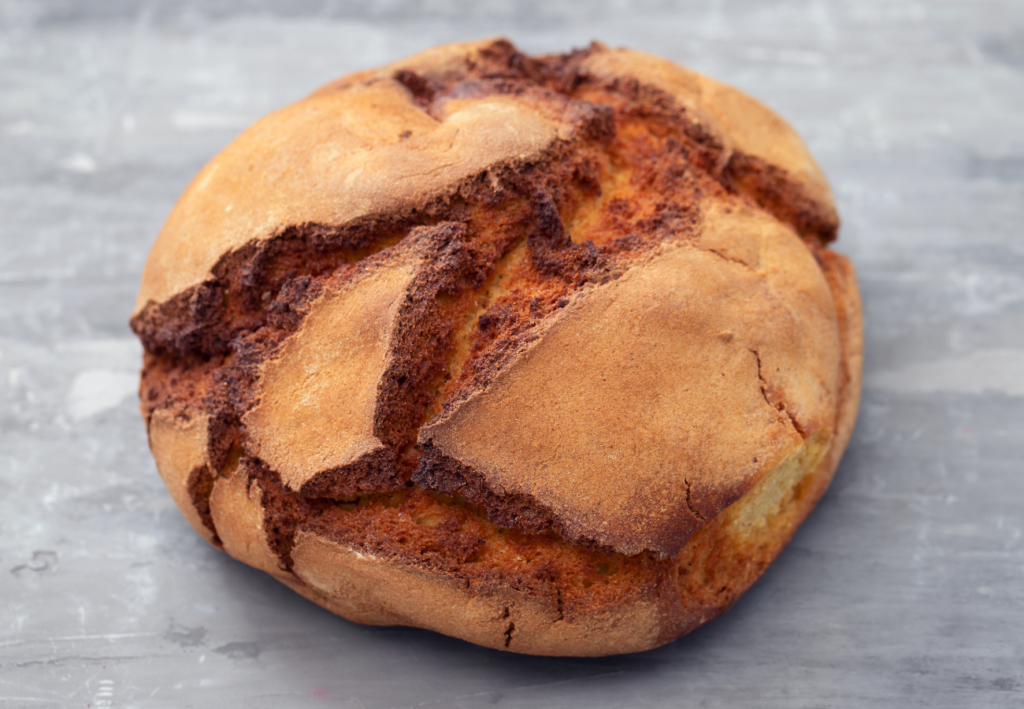
Broa is a type of corn bread made with a mixture of cornmeal and wheat flour, traditionally cooked in a stone oven that is filled with steam.
Broa has a soft, but dense texture and is known for having a cracked exterior. The cornmeal in the dough gives the bread a slightly sweet taste.
Natas do Ceu

Natas do ceu is a layered cream dessert consisting of Maria cookies and layers of cream. One type of cream is a sweet egg cream made by whisking sugar syrup with egg yolks to create a sweet, yellow colored topping. The second cream is a mixture of meringue and whipped cream.
The dessert layers alternate between the meringue cream mixture and crumbled Maria cookies. The sweet egg cream is reserved for the top.
Bolo do Caco
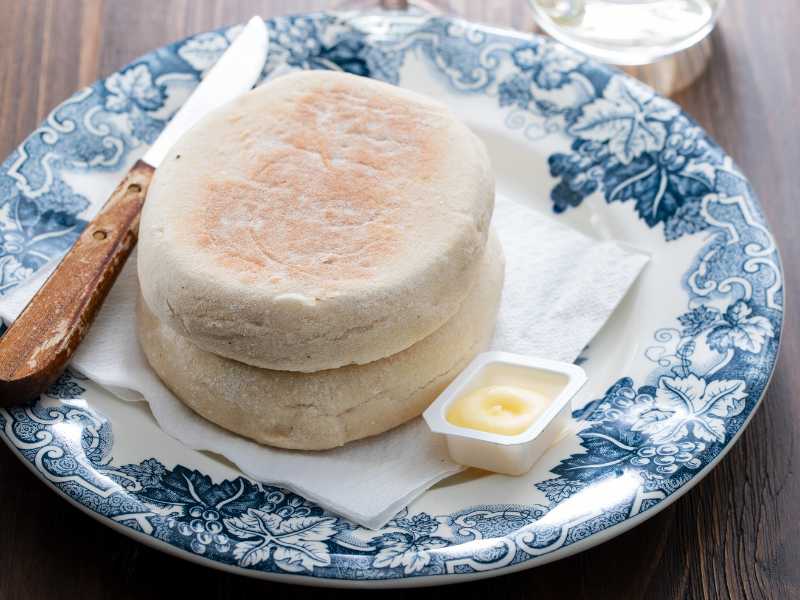
Bolo do caco is a traditional bread from Madiera. It’s a unique but simple bread made using flour, yeast, salt, water and sweet potatoes.
The ingredients are mixed into a heavy dough which is left to sit for several hours to several days before portioning into smaller pieces which are shaped into discs.
The cooked bread is eaten with flavored, salted butter.
Açorda
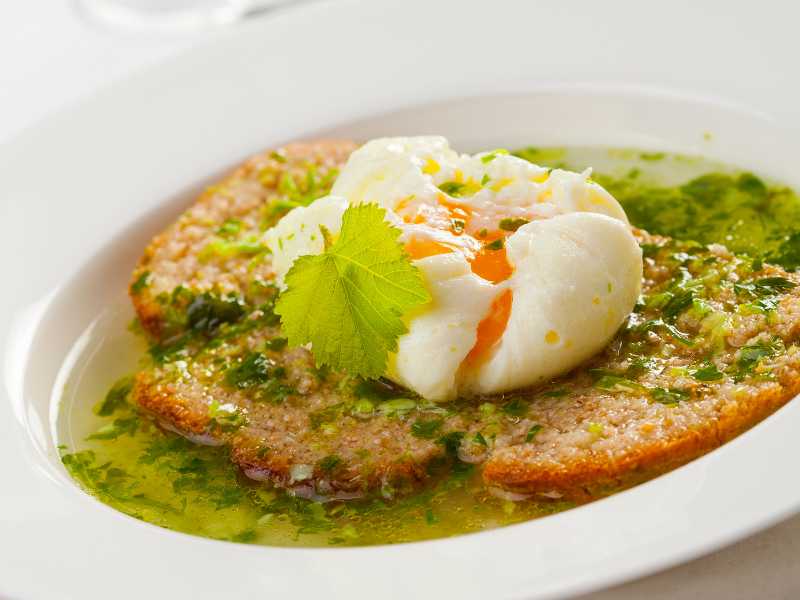
Açorda is a traditional soup with a primary ingredient of stale bread. The soup is flavored with garlic, salt, cilantro or coriander, olive oil and black pepper. It is then served topped with a poached egg and can be additionally be accompanied by sliced bread and a drizzle of oil.
Bolinhos de Bacalhau
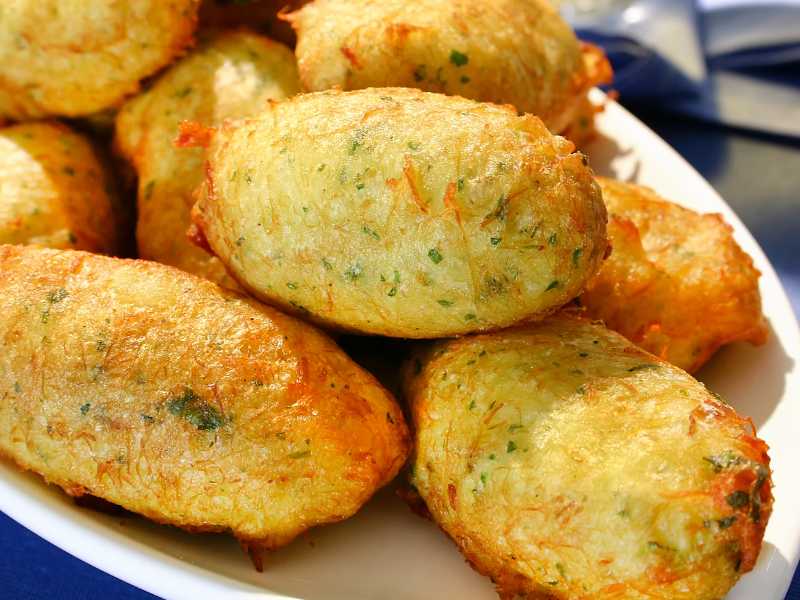
Bolinhos de Bacalhau are fritters made from dehydrated salted cod fish. The other ingredients besides fish are potatoes, eggs, onions, fresh parsley and seasonings like salt, garlic and pepper.
The ingredients are mixed together, then small portions of the firm mixture are shaped and fried. They are served as a snack, sometimes with a sauce or as an accompaniment to a larger meal.
Pao de Lo
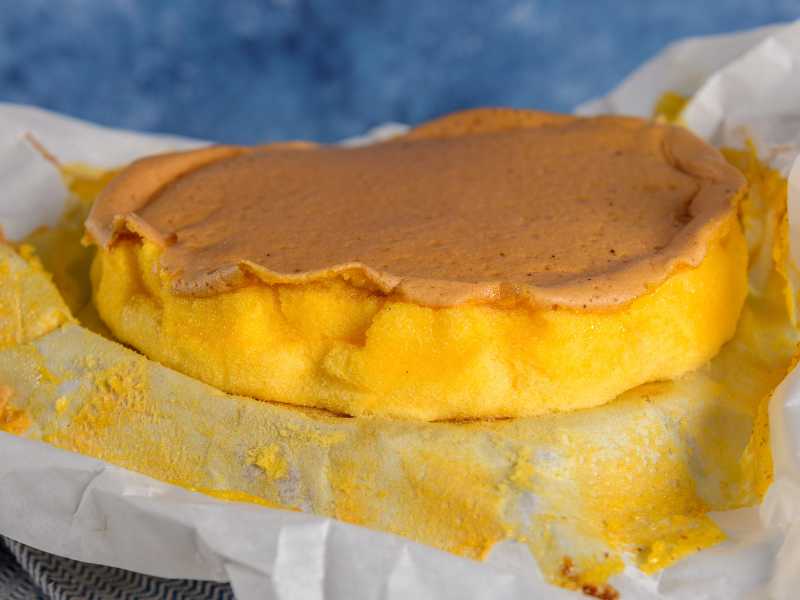
Pao de Lo is a sponge cake consisting of eggs, sugar and flour. The eggs are whipped for a long time until very fluffy before adding the dry ingredients.
The cake is then baked until the crust is dark and is served with coffee or tea.
Pastel de Santa Clara
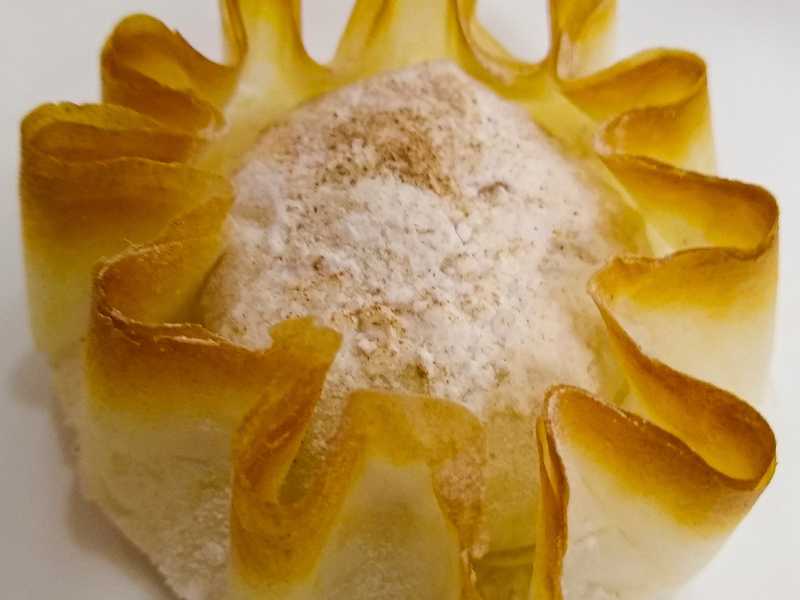
Pastel de Santa Clara is a custard filled pastry. The dough is cut into circles and filled with a spoon of the cooled custard, folded then baked. It is served sprinkled with powdered sugar.
Pastel de Santa Clara can have different shapes but its most common appearance looks like a small ball inside of a paper-thin shell made from dough that resembles a dainty flower.