Norwegian Sheep’s Head (Smalahove) Recipe with Rutabaga & Potatoes
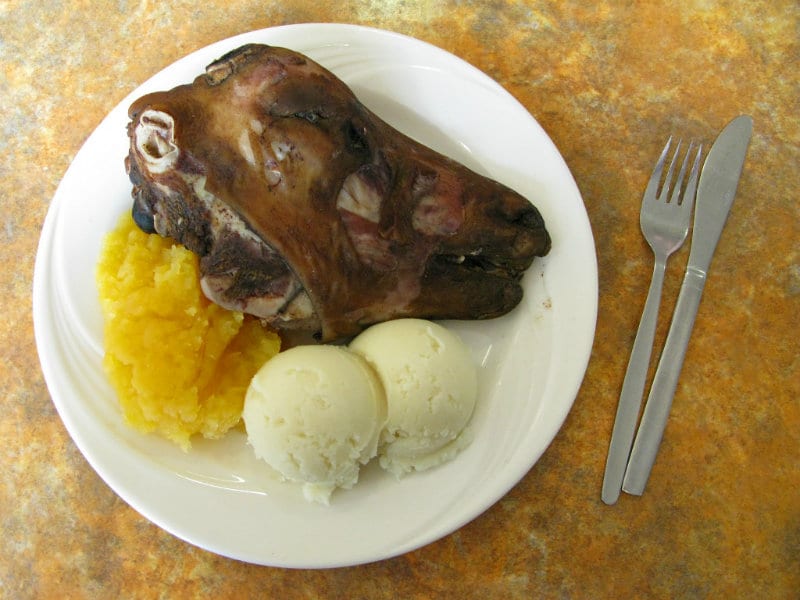
Smalahove is a traditional Norwegian dish made from a sheep’s head, most commonly eaten on the Sunday before Christmas.
Often described as one of the most unusual recipes in the world, smalahove can look quite confronting at first. Despite its appearance, it is essentially lamb, and the meatier parts of the head taste very similar to lamb cuts you may already be familiar with.
There is a traditional, authentic way to cook smalahove, as described in the recipe below. Preparation is to first leave it to soak in a pot of water for 24 hours, then create a brine and leave for a further 24 hours, and then finally to boil it.
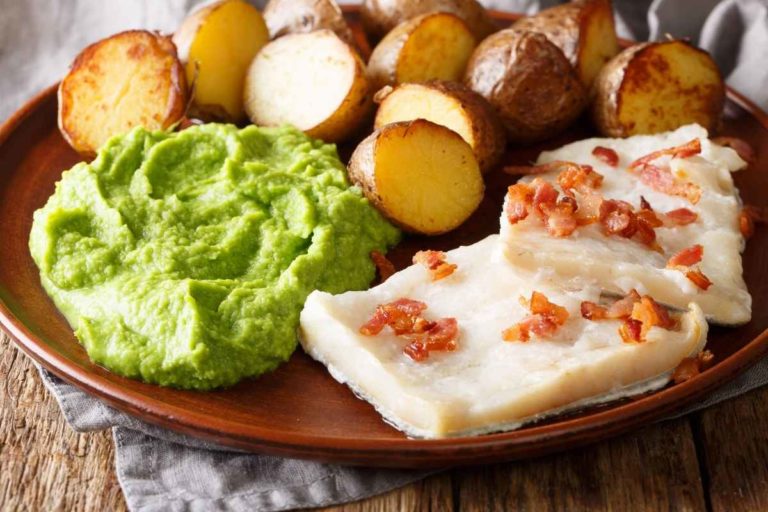
There are different sides that can be served with Smalahove but most common is mashed potatoes and rutabaga, or akvavit.
For this recipe we will be using potatoes and rutabaga, but feel free to try alternative sides if you like.
Of course, it can be difficult to get your hands on a sheep head if you’re not in Norway at Christmas, but you can speak to your local butcher to see if it is something they might provide for you to be able to cook Smalahove for yourself.
The eyes and ears are often eaten first as these are the fattiest bits of the head, but the most delicious bits are usually the cheek and the tongue. A serving is usually half a sheep’s head per person and 2 ladles of mashed rutabaga/potatoes.
In other recipes (or smalahove-related dishes) they will utilise the brain by scooping it out and frying it in oil. In fact, fried smalahove is equally as popular as boiled.
Once you have cooked your smalahove you can serve it to your guests (make sure to warn them first!), with a glass of Akvavit, a Scandinavian spirit.
How to eat Smalahove
The tradition of cooking and eating a sheep’s head originates in Norway’s rural communities, where people made use of every available part of the animal.
Today, smalahove is regarded as a delicacy and has experienced a revival, largely driven by tourists visiting Norway in search of a unique culinary experience.
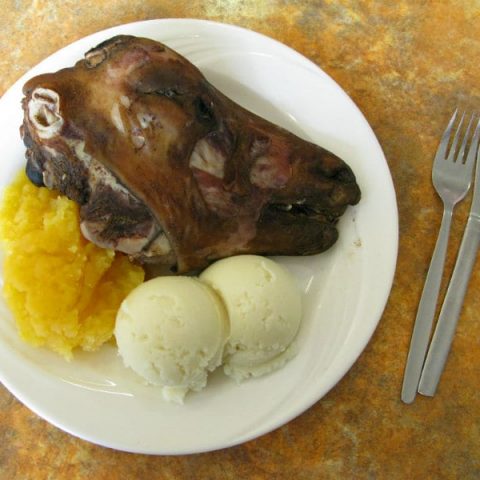
Smalahove (Sheeps Head) with Rutabaga & Potatoes Recipe
Smalahove is a bizarre traditional Norwegian recipe of sheeps head, usually eaten on the Sunday before Christmas.
Ingredients
- Water - 5L
- Salt - 1 kg
- Sugar - 1 cup
- Saltpetre - 3 tsp
- Rutabagas - 1 kg
- Potatoes - 4
- Butter - 100g
- Sugar - 1 tsp
- Nutmeg - 2 tsp
- White pepper - 2 tsp
- Mutton stock - 1 cup
- Cream - 2 tbsp
- Rutabagas - 1 kg (2 ¼ lb)
Instructions
- Take a large, sharp knife and cut the sheep's head in half lengthwise.
- Fill a large cooking pot with cold water and place the head in pot, leave for 24 hours.
- After 24 hours combine 4L of water with 1kg of salt, 1 cup of sugar and 3 tsp of saltpetre in order to make a brine.
- Dry the sheep’s head well and then place in to the brine mixture to sit for a further 24 hours.
- Leave to dry on a rack before placing it in a fresh pan of boiling water. Cover and cook for 1 hour.
- Whilst the sheep's head is cooking, peel and chop the potatoes and rutabaga and boil together in a pot of water for 30 minutes.
- Drain the potatoes and rutabaga, nutmeg, white pepper, mutton stock, butter and cream, and mash to a creamy consistency. Salt to taste.
- Take the sheep’s head out of the pan and serve immediately with the mashed potatoes and rutabaga.
- Enjoy!
Nutrition Information:
Yield: 2 Serving Size: 1Amount Per Serving: Calories: 1683Total Fat: 59gSaturated Fat: 34gTrans Fat: 2gUnsaturated Fat: 20gCholesterol: 169mgSodium: 194574mgCarbohydrates: 269gFiber: 32gSugar: 153gProtein: 34g
What does smalahove taste like?
Despite its appearance, smalahove tastes much like familiar lamb cuts. The cheek and tongue are considered the most delicious parts, offering tender, flavourful meat. The eyes and ears are fattier in texture and are traditionally eaten first. If you enjoy lamb, you will likely find the flavour recognisable and enjoyable.
Where can I buy a sheep’s head outside of Norway?
Sheep’s heads are not widely available in most supermarkets outside of Norway, but your best option is to speak to a local butcher, particularly one that specialises in whole animal butchery or caters to Middle Eastern or Eastern European communities, where sheep’s head is also a traditional ingredient. It is worth giving them advance notice as it may need to be ordered in.
Can smalahove be cooked in ways other than boiling?
Yes. While the traditional preparation involves boiling, fried smalahove is equally popular. In some preparations the brain is scooped out and fried separately in oil. The two methods produce quite different textures, with frying giving a crispier result on the skin and outer meat.
What is traditionally served with smalahove?
The most common accompaniments are mashed potatoes and mashed rutabaga (also known as swede). Akvavit, a Scandinavian spirit, is the traditional drink pairing. The richness of the meat is complemented well by the simple, starchy sides.
When is smalahove traditionally eaten?
Smalahove is most commonly eaten on the Sunday before Christmas in Norway. It is a seasonal dish deeply tied to the festive period, though it can occasionally be found at specialist restaurants in Norway throughout the year.
Why do Norwegians eat sheep’s head?
The tradition originates in Norway’s rural farming communities, where wasting any part of a slaughtered animal was not an option. Cooking the head was a practical way to use every available part of the sheep.
Over time it evolved from a dish of necessity into a celebrated tradition and is now regarded as a delicacy, with a revival in popularity driven partly by food tourism.
How much smalahove is a typical serving?
A standard serving is half a sheep’s head per person, accompanied by approximately two ladles of mashed rutabaga and potatoes.
Is smalahove suitable for people who eat lamb?
Yes. The meat of the head is essentially lamb, so if you already eat and enjoy lamb there is no reason the flavour should be off-putting. The main barrier for most people is the visual presentation rather than the taste itself.